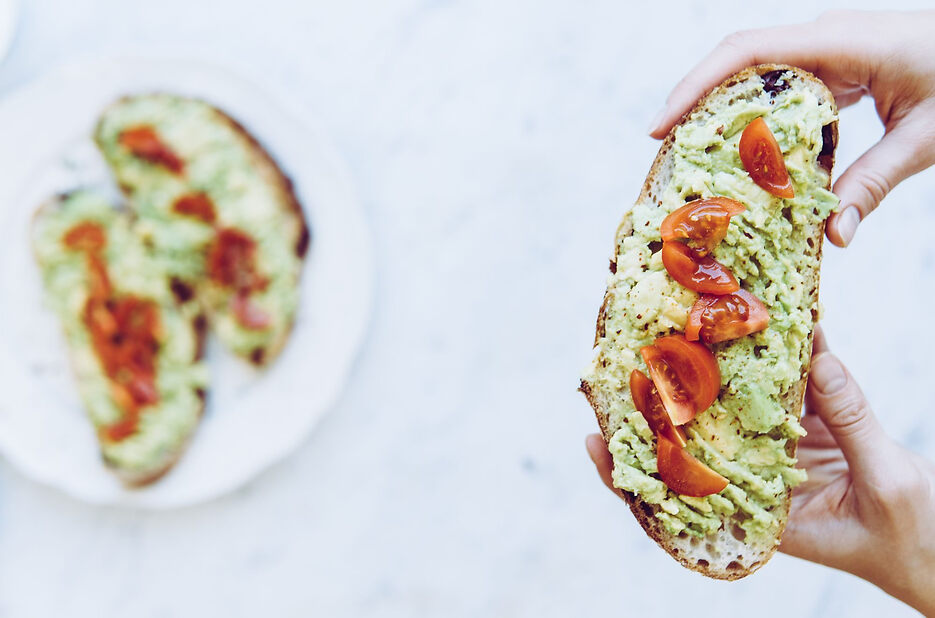

A study published in the Journal of Nutrition Education and Behaviour has revealed that food-related content on TikTok frequently triggers cravings and a desire to try new foods among adolescents.
Researchers conducted focus groups with 25 teenagers, aged 15 to 16, to examine the relationship between social media engagement and eating patterns. The participants described the platform as a highly engaging environment where food-related content, such as viral trends, recipe videos, and restaurant reviews, can quickly capture attention and trigger hunger.
The findings indicated that visual appeal, user comments, and recommendations from influencers were primary drivers in increasing interest in featured foods. While some adolescents expressed skepticism towards sponsored advertisements, those who perceived certain influencers as credible were more likely to be persuaded by their content.
The research also highlighted the potential for parental involvement to mitigate the influence of the platform. Although many adolescents perceived their parents as having little direct involvement in their daily social media use, engaging in face-to-face activities and regular family meals was linked to a reduction in time spent on the app.
Parents could also provide a protective influence by initiating critical discussions regarding the reliability of online health information and the potentially unrealistic lifestyles or body images presented by influencers. This includes questioning the credibility of diet-related claims and reminding adolescents that influencer results may not be applicable to everyone.
The research team, which included Adrianna N. Bell, Barbara J. McMorris, Jayne A. Fulkerson, Marla E. Eisenberg, and Melissa L. Horning, suggested that these findings could inform future nutrition education and media literacy programmes. The authors noted that further investigation is required to determine how social media exposure affects actual dietary intake and to identify the most effective ways for parents to support healthy eating behaviours.