The United Kingdom and France have signed a new agreement to enhance joint operations and intelligence efforts in northern France aimed at reducing illegal crossings to the UK, backed by a significant increase in human, technological, and intelligence resources.
The partnership seeks to build on previous successes, which have already prevented more than 42,000 illegal migrants from crossing the Channel since the 2024 UK election and led to the arrest of 480 smugglers in 2025.
The new collaboration will see the reinforcement of personnel, including nearly 1,200 agents from the police force, intelligence services, and the maritime prefecture already deployed in the North. This will be expanded to include a 53% increase in the workforce, with an additional 907 personnel funded in the 2023-2026 cycle and 1,392 in the 2026-2029 cycle. Furthermore, a new dedicated unit, the SIPAF (Interministerial Border Police) of 80 people, will be created, managed by France, to focus specifically on combating illegal immigration.
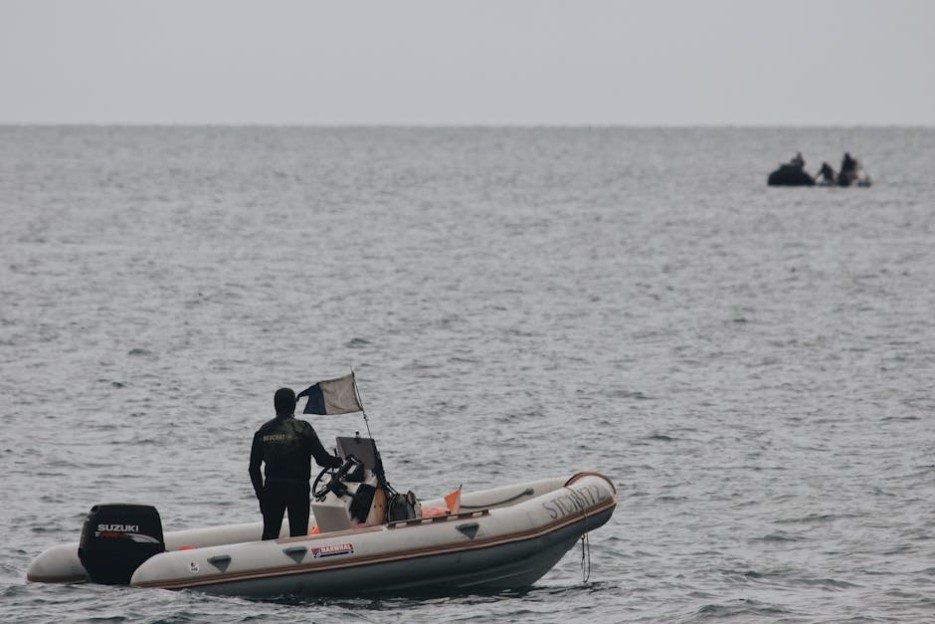
The agreement also involves deploying new technologies, such as drones and helicopters, to better prevent crossings, particularly those involving small boats and water taxis.
Financially, the partnership involves an investment of £500 million (€580 million) to strengthen control systems in northern France, alongside an additional £161 million (€187 million) for new, impact-based actions. These measures will be subject to regular joint evaluations to analyse their effectiveness in reducing illegal immigration flows.
The agreement also includes plans for infrastructure improvements, such as administrative detention centres and future cantonments, to enhance police force efficiency. The intelligence and judicial police units will also be strengthened, with an increase in personnel to intensify the fight against smuggling networks in the northern zone.
The partnership complements broader UK government actions aimed at reducing the factors pushing irregular migrants across the Channel. Since the UK government came to power, nearly 60,000 illegal migrants and foreign criminals have been sent back or deported, marking an increase of 31%. Immigration control measures to combat illegal working have also seen unprecedented levels of enforcement, with an 83% increase in arrests and a 77% increase in police interventions under the current government. The UK is also closing reception hotels for asylum seekers and transferring them to accommodation centres.
Home Secretary Shabana Mahmood emphasised the importance of the cooperation. She stated that the collaboration with the French is vital because it has already prevented tens of thousands of illegal migrants from boarding boats bound for Britain.
French Minister of the Interior Laurent Nunez welcomed the enhanced security measures. He noted that the new agreement provides the security forces with the means to continue their commitment to combating dangerous Channel crossings and strengthening the security of coastal residents. He also welcomed Frontex’s commitment, which is intended to be amplified through greater European involvement in monitoring this external border of the European Union.
The majority of the resources provided under this partnership will be concentrated from the start of the summer, which is traditionally the busiest period for small craft crossings. The agreement is seen as part of a wider European effort to strengthen cooperation across the external border of the EU.