The European Commission is allocating an initial €1.9 billion humanitarian aid budget for 2026, as global needs continue to rise and funding from major donors comes under pressure.
The allocation comes at a time when an estimated 239 million people worldwide require humanitarian assistance, driven by conflict, displacement, climate related shocks and economic instability. The Commission says the funding will support emergency food and shelter, healthcare, protection for vulnerable groups and access to education for children in crisis affected areas.
The largest share of the funding, €557 million, will be directed to West and Central Africa, including the Sahel, the Lake Chad basin, north west Nigeria, Central Africa, Southern Africa, the Great Lakes region and the Greater Horn of Africa. A further €448 million is earmarked for the Middle East, with a focus on Gaza following last year’s fragile ceasefire, as well as Iraq, Yemen, Syria and Lebanon.
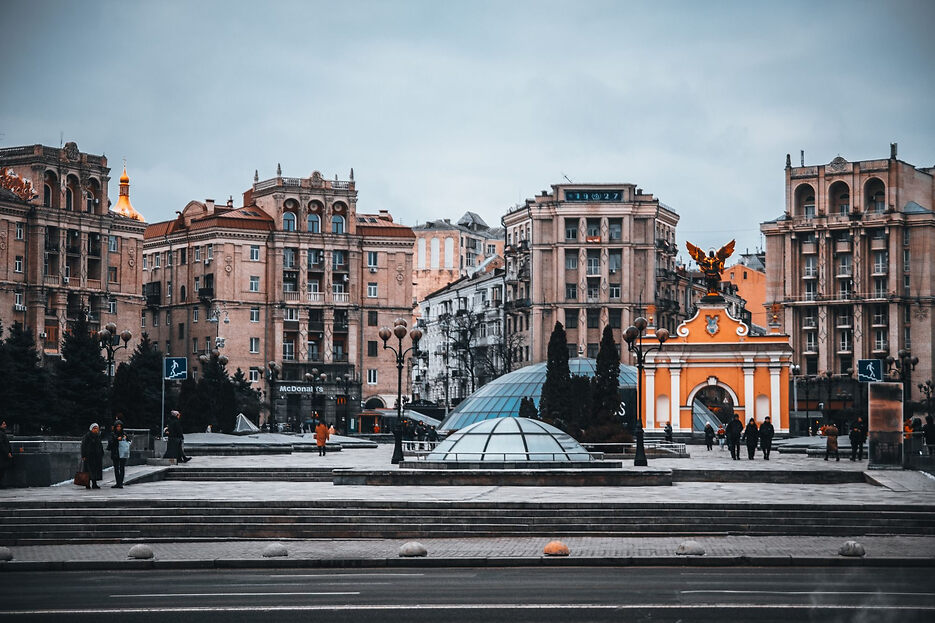
Humanitarian assistance for Ukraine will total €145 million as the conflict enters its fourth year, alongside an additional €8 million for projects in Moldova. The Commission has also allocated €126 million to address humanitarian needs in Afghanistan, Pakistan and Iran.
Central and South America and the Caribbean will receive €95 million, reflecting complex crises linked to armed conflict, violence, political instability, inequality and environmental pressures. Support for Southeast Asia and the Pacific will amount to €73 million, with a focus on the crisis in Myanmar and its regional impact, including in Bangladesh. North Africa will receive €14.6 million to address ongoing political, economic and social challenges.
In addition to regional allocations, more than €415 million has been set aside to respond to sudden onset emergencies worldwide and to maintain a strategic supply chain for humanitarian operations.
The announcement last week coincided with the Commission’s efforts to engage the private sector in humanitarian action. Commissioner for equality, preparedness and crisis management Hadja Lahbib is attending the World Economic Forum meeting in Davos this week, where discussions are under way with business leaders and investors on how private finance and innovation can complement public funding and improve the reach and effectiveness of aid.
An event on new alliances in aid and development took place on 22 January in partnership with the World Economic Forum, alongside a series of bilateral meetings.
The European Union and its member states remain the world’s largest humanitarian aid donors. The Commission has delivered humanitarian assistance since 1992 in more than 110 countries, working through international organisations, including United Nations agencies, and specialised partners across member states.
The European Emergency Response Coordination Centre continues to operate around the clock, coordinating rapid assistance for countries affected by major disasters within and beyond the EU when requested by national authorities or United Nations bodies.