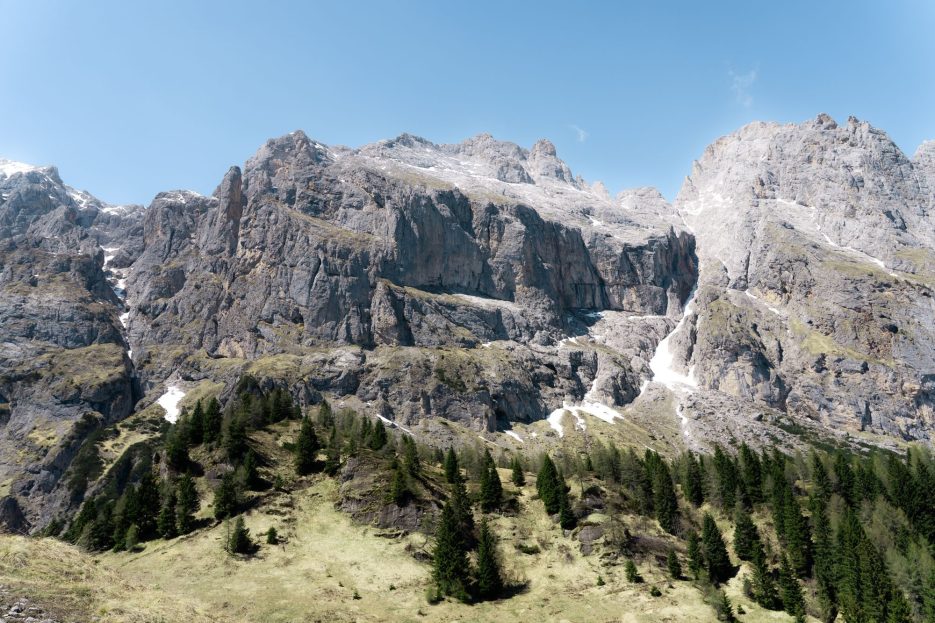
A long-term international study has revealed that the response of European alpine vegetation to climate change is driven by a complex interplay of factors that extends beyond simple temperature increases. While warmth-associated plant species are becoming more common on mountain summits, researchers found that the link between this shift and local warming is surprisingly weak.
The research, which was published in the journal Nature Ecology and Evolution, was conducted by a team from the University of Vienna, the Austrian Academy of Sciences, and BOKU University. The scientists analysed data from 724 long-term monitoring plots spread across 53 mountain summits in major European mountain regions. The study relied on data from the Global Observation Research Initiative in Alpine Environments, which has surveyed these locations four times over a 21-year period.
The study identified a trend known as thermophilisation, where warmth-associated species become more prevalent. However, the researchers noted that the extent of this shift at any given monitoring plot could only be poorly explained by the local warming measured there. Johannes Hausharter, a biodiversity researcher at the University of Vienna and the lead author of the study, noted that the rate of these biological changes does not appear to depend solely on rising temperatures.
The findings indicate that local environmental conditions often override the direct effects of climate-driven warming. Despite comparing the observed changes in vegetation against a wide array of temperature-related climate indicators, the researchers found a limited connection at the local level. This suggests that the impact of climate change on sensitive ecosystems, such as those found in high-altitude mountains, is more nuanced than previously assumed.
The study highlighted varying responses among different plant species. For instance, the Mountain Houseleek has been recorded for the first time on certain surveyed summits in the French Alps, and the Bearded Bellflower is expanding into higher elevations in the Swiss Alps. Conversely, many species adapted to cold environments are seeing declines. The Glacier Crowfoot has decreased in both Norway and Slovakia, while the Alpine Woodrush has shown declines across all surveyed summits in Slovakia’s High Tatras. Other species, such as the Creeping Avens in Italy and the Globe-headed Rampion in Italy and Switzerland, have also become less frequent in recent years.