Barcelona has taken a bold step to tackle the growing issues caused by mass tourism by banning short-term rentals. Starting in 2029, the city aims to address the adverse effects of an influx of tourists on local communities, including housing shortages and increased living costs.
Mass tourism has long been a double-edged sword for popular destinations. On one hand, it boosts the local economy, bringing in revenue for businesses and creating jobs. On the other hand, it can strain infrastructure, disrupt local life, and drive up housing prices, making it difficult for residents to find affordable accommodation. In Barcelona, these negative impacts have reached a tipping point, prompting the city to plan on implementing stricter regulations.
The decision to ban short-term rentals is primarily driven by concerns over housing affordability. The proliferation of platforms like Airbnb has converted many residential properties into tourist accommodations, reducing the availability of long-term rental options for locals.
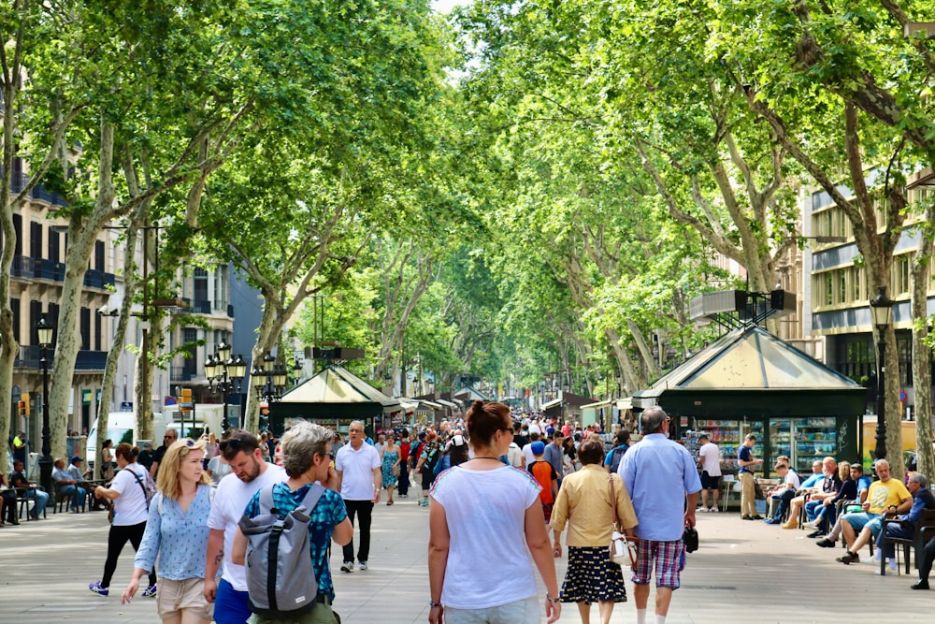
Moreover, the constant flow of tourists has led to overcrowding in popular areas, causing environmental degradation and noise pollution. Local communities have increasingly voiced their frustrations over the disruption to their daily lives. “Our neighborhoods have become noisy and overcrowded, and it’s difficult to maintain the sense of community we once had,” said Jordi Martí, a resident of the Gothic Quarter. “The city’s character is being eroded.”
Barcelona’s approach is part of a broader trend among popular tourist destinations to mitigate the adverse effects of mass tourism. Other cities, such as Amsterdam and Venice, have also introduced measures to regulate short-term rentals and control the flow of visitors. These initiatives reflect a growing recognition of the need to balance tourism with the well-being of local communities.
Critics of the ban argue that it could negatively impact the local economy, particularly for those who rely on income from renting out properties. The tourism industry has expressed concerns that the ban could reduce the city’s appeal to visitors. However, supporters believe that a more sustainable tourism model will ultimately benefit both residents and tourists.
The ban on short-term rentals marks a significant shift in Barcelona’s approach to managing tourism. As the city moves forward, it will need to carefully monitor the impact of this policy and make adjustments as needed to balance economic interests with the well-being of its residents.
Mass tourism’s rejection in cities like Barcelona highlights the importance of sustainable tourism practices. By addressing the root causes of the negative impacts of tourism, cities can work towards creating a more balanced and harmonious relationship between visitors and local communities.